On September 23, 2026, the Federal Cabinet decided that digital receipts will replace paper receipts in Germany starting in 2028. At the same time, many businesses will be required to use cash registers. This article explains what is changing, who is affected, and how businesses can prepare in time.
The Cabinet has approved the draft bill on the further development of point-of-sale records, also known as the Second Point-of-Sale Act. Starting in 2028, it will replace paper receipts with digital receipts and introduce a mandatory point-of-sale system for high-revenue businesses.
The Federal Ministry of Finance is pursuing two goals with this draft legislation. On the one hand, the transition to digital receipts is intended to reduce red tape for businesses and consumers alike. On the other hand, the requirement to use digital cash registers is intended to prevent tax evasion. Federal Minister of Finance Lars Klingbeil summarizes it by saying that the requirement for paper receipts will be abolished and digital receipts will become the standard.
The draft bill is part of the action plan to combat tax and financial crime. Before the rules take effect, the Bundestag and the Bundesrat must approve them. The Federal Ministry of Finance (BMF) has published details of the draft on its webpage dedicated to the Second Cash Register Act.
No, the receipt requirement remains in effect. Only the requirement to issue a paper receipt is being eliminated. Businesses must continue to generate every receipt and provide it digitally going forward.
The requirement to issue receipts has been in effect since January 1, 2020, and was introduced with the first Cash Register Act. Under current law, receipts may already be issued electronically or on paper. What is new is that electronic receipts will become the norm starting in 2028. However, according to the draft bill, customers will retain the right to receive a paper receipt.
Practical Tip: Companies should not plan for the elimination of paper receipts, but rather for their digitization. Even after 2028, the point-of-sale system must generate a complete and legally compliant receipt for every transaction.
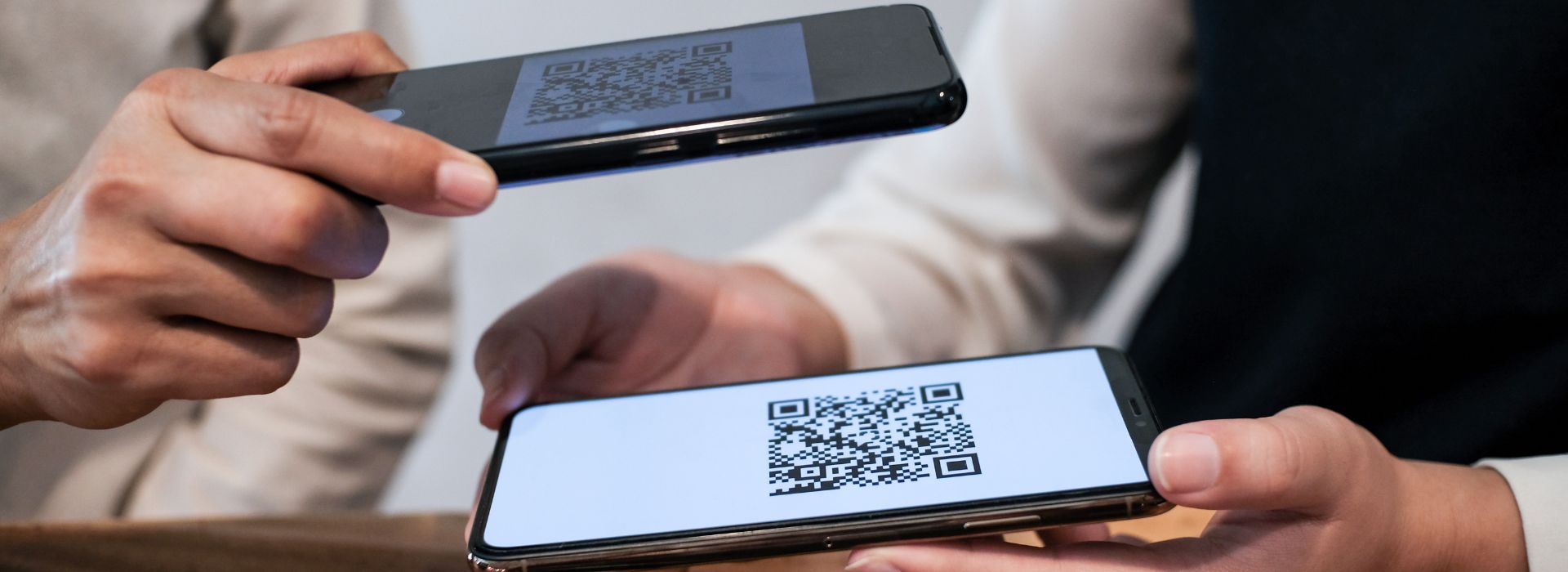
According to the draft bill, a QR code on the checkout display is the most practical solution. Customers scan it with their smartphone and do not need the store’s app to do so. In addition, other methods are also possible, such as via email, a download link, NFC, or a customer account.
Since most modern cash registers already have a customer display, the ministry expects only a few new purchases. Three approaches are relevant for businesses when planning:
The cash register requirement will take effect in 2028 for businesses with annual sales exceeding 100,000 euros. These businesses must replace their open cash registers with an electronic point-of-sale system. Taxpayers with less than 12,000 euros in annual cash sales are exempt.
→ For more information on the impact on POS and ERP systems, see the article on the mandatory use of cash registers in Germany.
The cash register requirement is intended to prevent tax evasion in cash transactions. Open cash registers are considered particularly susceptible to abuse because their sales are virtually impossible to verify. Electronic cash registers, on the other hand, record all sales without exception.
The Federal Ministry of Finance also cites fair competition as a reason. Those who cheat on cash transactions gain an advantage over the vast majority of businesses that pay their taxes correctly.
efsta integrates the fiscal middleware with its own solution for digital receipts. This allows businesses to comply with fiscal regulations and meet future receipt requirements through a single interface, without having to replace their existing cash register.
The efsta Fiscal Middleware acts as an intermediary between the point-of-sale software and regulatory requirements. In Germany, the Fiscal Middleware forwards transaction data to the TSE for signing and processes it in accordance with the KassenSichV. This forms the basis for efsta’s digital receipt [LINK: Digital Receipt Features page], which can be managed and customized as the efsta Simple Bill in the efsta Cloud.
The benefits of efsta:
Schedule an initial consultation now
Those who plan now can prepare for the transition at their own pace. Point-of-sale systems, displays, and receipt printing processes should be reviewed before demand for solutions and consulting services surges significantly before 2028.
When will digital receipts go into effect?
Digital receipts are set to replace paper receipts starting in 2028. The Cabinet approved the draft bill on September 23, 2026, but the Bundestag and Bundesrat still need to give their approval.
Has the receipt requirement been abolished in Germany?
No, the receipt requirement remains in effect. Only the requirement to print the receipt is being eliminated.
Can customers still request a paper receipt?
Yes, according to the draft bill, the right to receive a paper receipt remains in effect. Therefore, a receipt printer should still be available.
Who is exempt from the requirement to have health insurance?
Taxpayers with annual cash sales of less than 12,000 euros are exempt. Additional exemptions, such as those for cash registers based on trust or direct sales of agricultural products, are to be established by statutory order.
Is a new cash register necessary?
Not necessarily, because cash registers with TSE and a customer display can usually be upgraded to handle digital receipts via software. Businesses with annual sales exceeding 100,000 euros that have been using an open cash register up until now will need a new cash register.
→ Almost done! Please confirm your registration via the link in the e-mail we have just sent you.


Pachergasse 17 / Top 11
4400 Steyr, Austria
Business hours:
Mo-Thu: 8 am - 5 pm
Fri: 8 am - 12 noon
We are closed on Austrian public holidays.